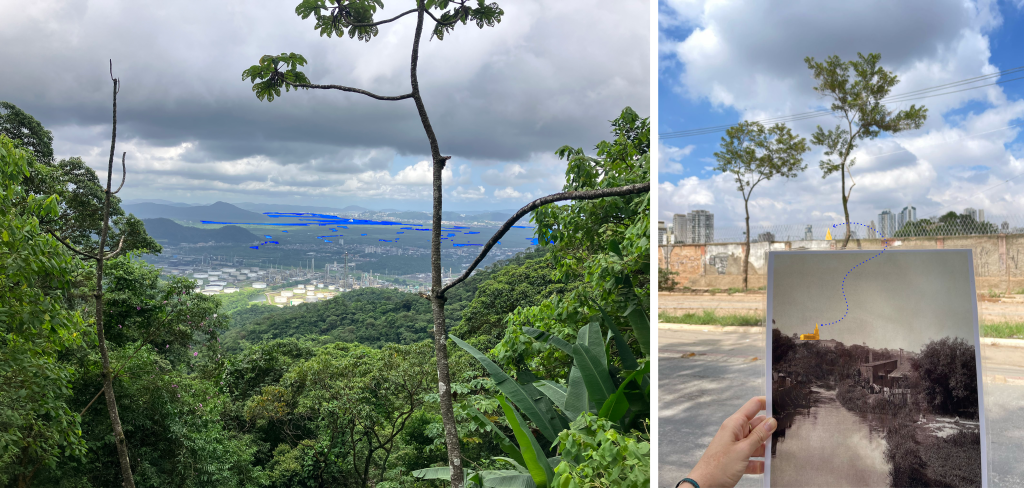
Collecting is a tactic of communities who inhabit riparian landscapes that have historically been treated by public authorities and industries as places of discard. In many places around the planet, river lowlands – or Baixadas – are today toxic landscapes, formed by a historical process in which humans have chosen them to locate petrochemical industries and also to discard all kinds of solid materials and chemical substances that are harmful for human and environmental health. Contamination of these areas is thus not a coincidence, as governments, planners, and scientists have considered the river lowlands for a long time as places that are anyways disease-breeding murky grounds, vapors, and mangrove forests.
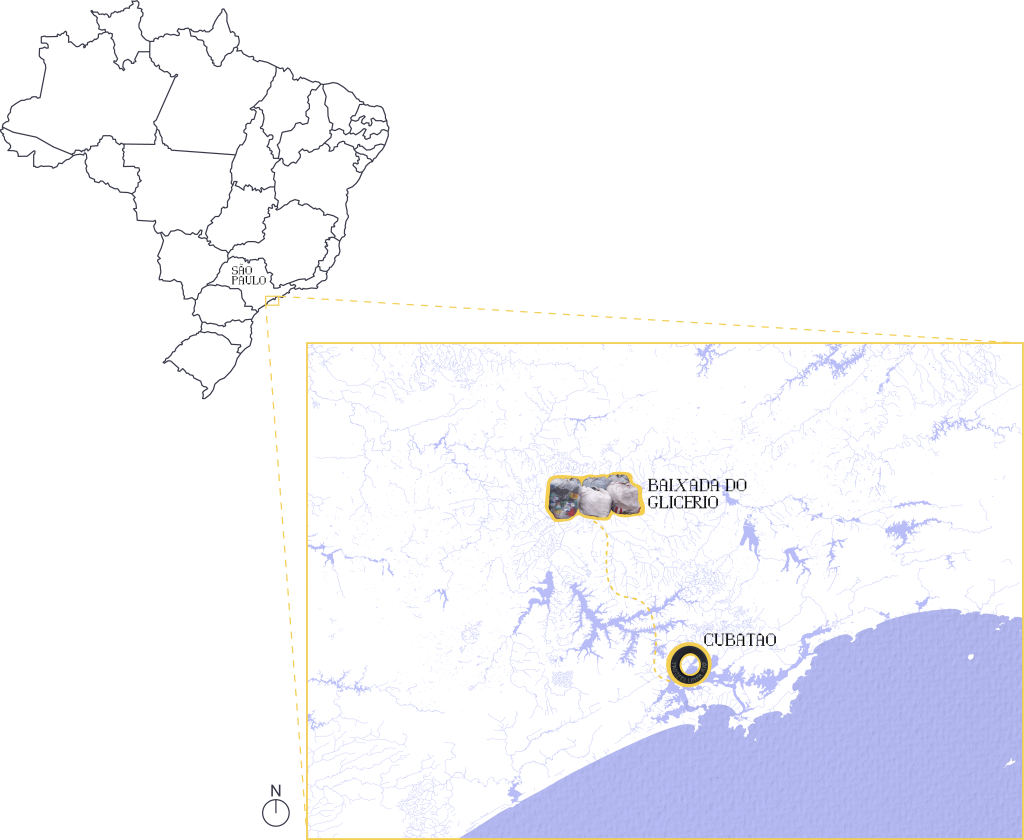
This tactic follows two riparian communities of collectors, the RECIFRAN community recycling center in the Baixada do Glicério (São Paulo city) and a Fisherfolk Association in “Bolsão 8”, Baixada Santista (city of Cubatão), called Limpa Rio. Both communities are located in river lowlands of the State of São Paulo – the first one in the center of the city and, the other one ca. 70 km further down, in the bay area of the Santos port region. Both neighborhoods are inhabited mostly by (former) factory workers, often in petrochemical or other “dirty” industrial branches. What unites these two communities is that both learn with these unlikely environments and have developed strategies of confronting toxicity and waste.
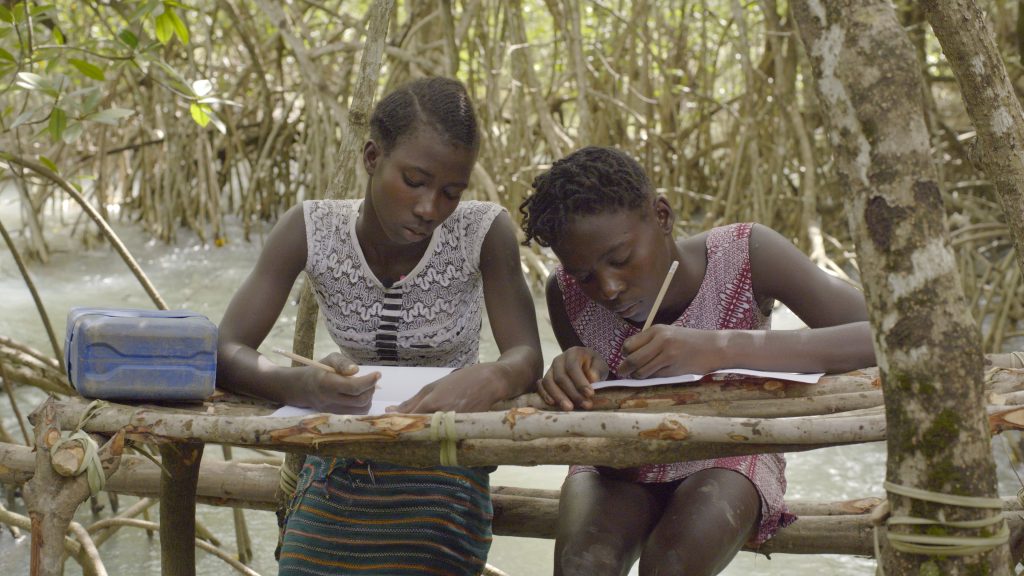
In the year 2025, the course “Toxicities” and the course “Learning with Magroves” brought together students and teachers from University São Paulo and Humboldt-Universität Berlin with members of local communities, to work together on tactics and recipes for inhabiting toxic urban landscapes and for mutual learning in mangrove areas of Brasil and elsewhere. One course type we worked with is called “extension”, or extensão in Portuguese, which means that the course extends beyond University, inviting non-academics to join the discussion and bringing teaching and learning to the streets and forests. To teach and participate in extension courses is compulsory in Brazil since the Constitution of 1988 (Art. 207), and this has to do a lot with the tradition of critical pedagogy and popular education inspired by Paulo Freire. Another course type we worked with is called COIL (collaborative online international learning), to foster exchange and solidarity between people in Berlin and students and fisherfolk in the São Paulo coast region. Throughout Learning with Mangroves, we found out that Paulo Freire had also been to Guiné Bissau and Cape Verde to join the liberation movements there, and that he exchanged a lot with Amilcar Cabral, a trained agronomist who trained guerrilla resistance in the mangrove areas of these two countries (cf. the still from the movie Mangrove School on the left, by Sónia Vaz Borges & Filipa César et al., featuring Genê Psolé na Saué and Bissabonha Bissora na Onça, photography Jenny Lou Ziegel, 2022).
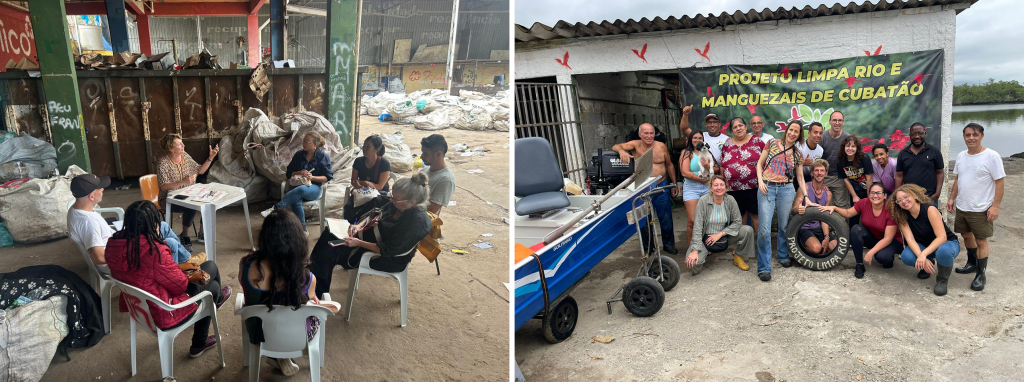
In 2025, we visited both Baixadas with students, teachers and non-academic participants of the courses. Our goal was to learn and to actively engage with these communities and their struggles. Participants came prepared to focus on “displaced objects”: “waste”.
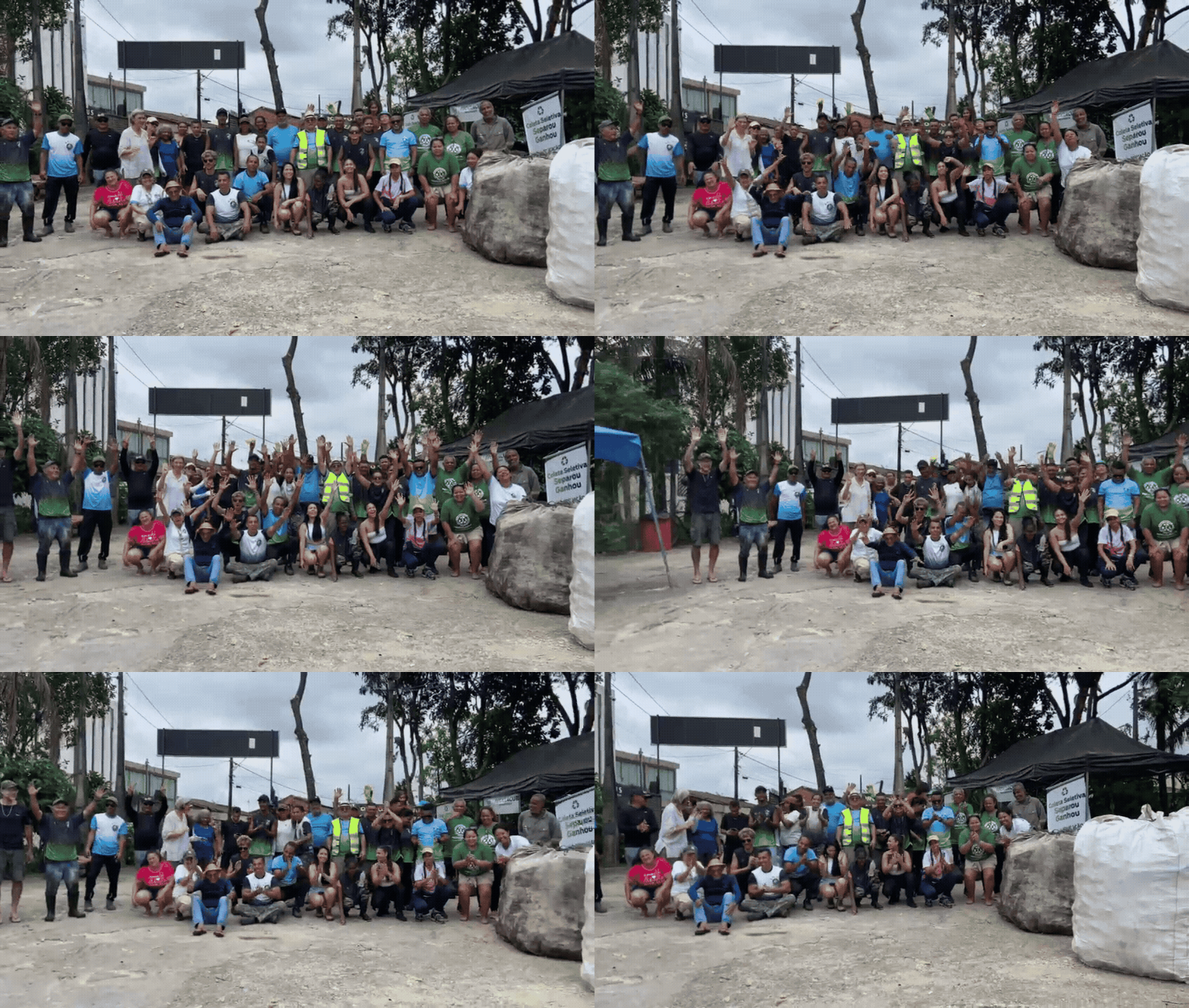
As part of collective reflection, these objects then allowed for reconstructing stories / storytelling, integrating the selected and picked-up or photographed objects within larger stories of toxic urbanization as well as acts of resistance. These two courses have also become ways of generating exchange, and to write recipes collectively.
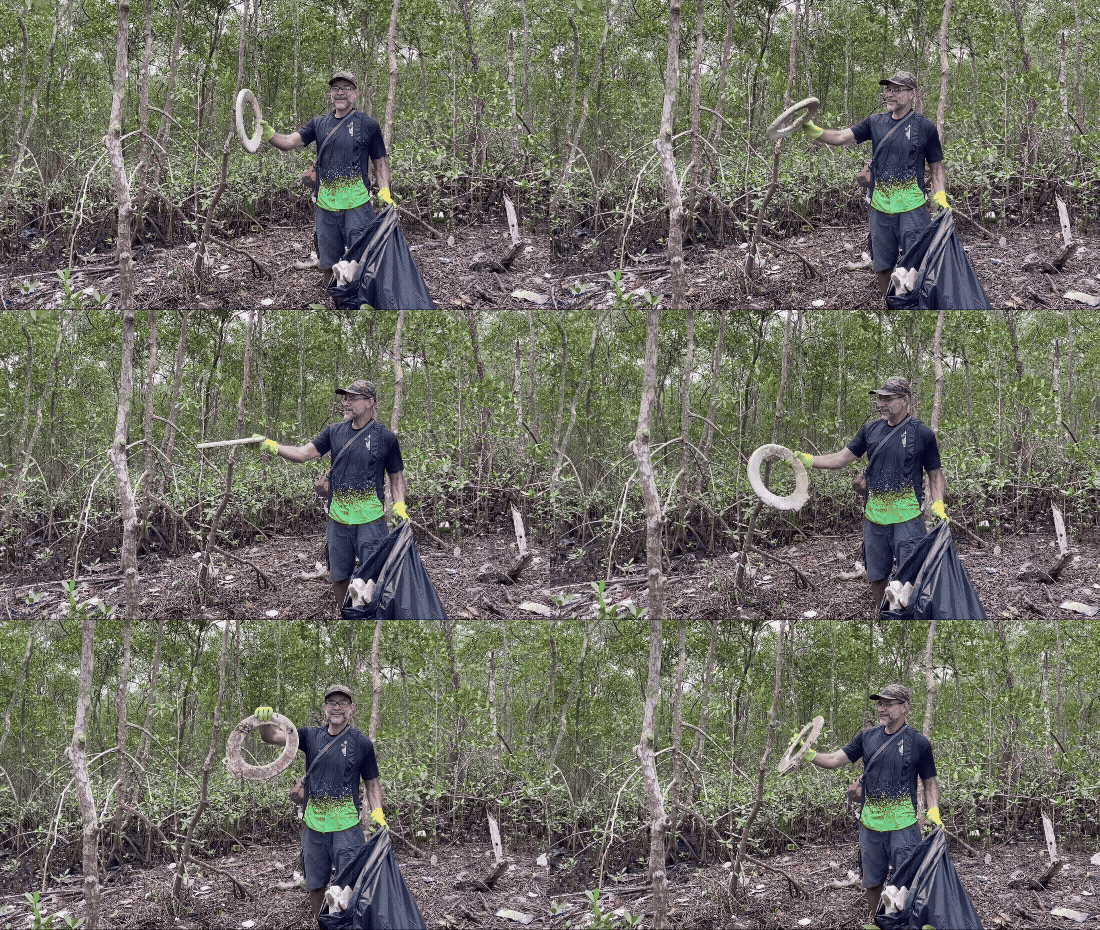
The tactic “collecting collectively” concerns collecting as a human collective and collectivizing the practice itself. Both riparian communities mobilize the tactic for different purposes but always involve the gathering of objects commonly perceived as not belonging to the environments from which they are taken. You might be tempted to call these objects “waste,” and sometimes the word fits, for they are things discarded once they no longer serve. Yet most of the time, waste says either too much or too little. It can overstate or understate the thing referred to, depending on the context, on the environments or landscapes in which such materials find themselves.
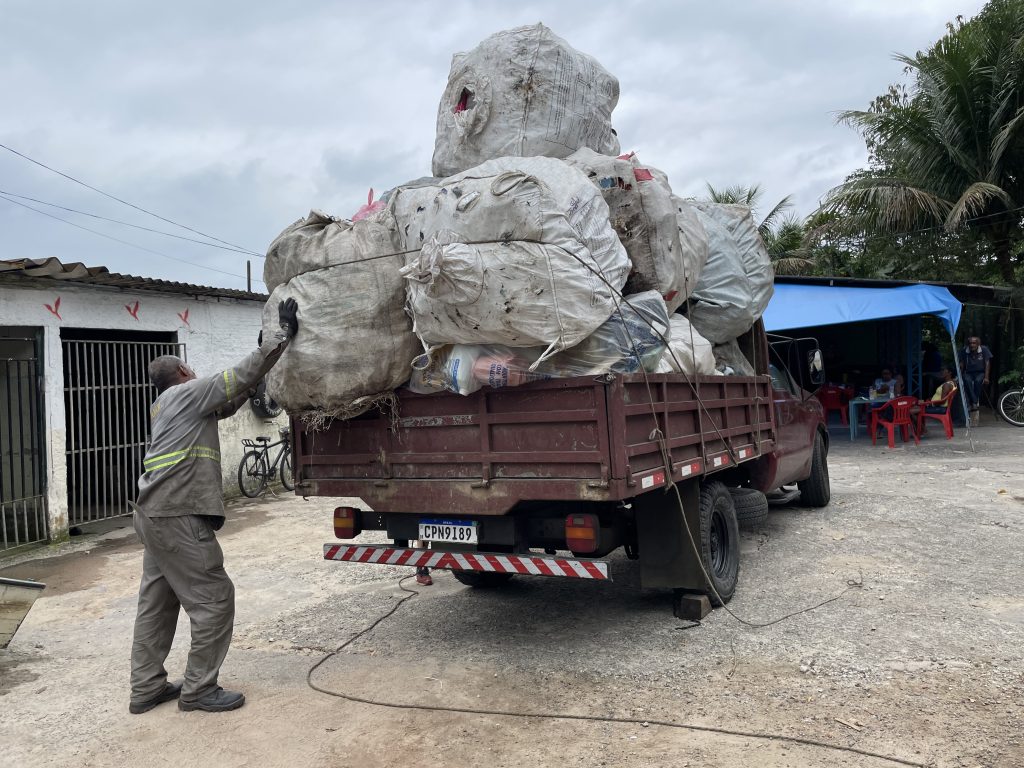
Across both locales, residents engage actively with what others discard. In the Baixada Santista, at Bolsão 8, guardians of the mangroves regularly clean the forest floor, organizing mutirões, that is, voluntary collective collections on Sundays which extend to the whole area including the neighboring Bolsão 7 and 9 to protect the ecosystems on which their subsistence and livelihoods depend. In the Baixada do Glicério, collectors associated with RECIFRAN gather materials from streets and squares, weaving social ties and enabling forms of economic survival otherwise foreclosed.
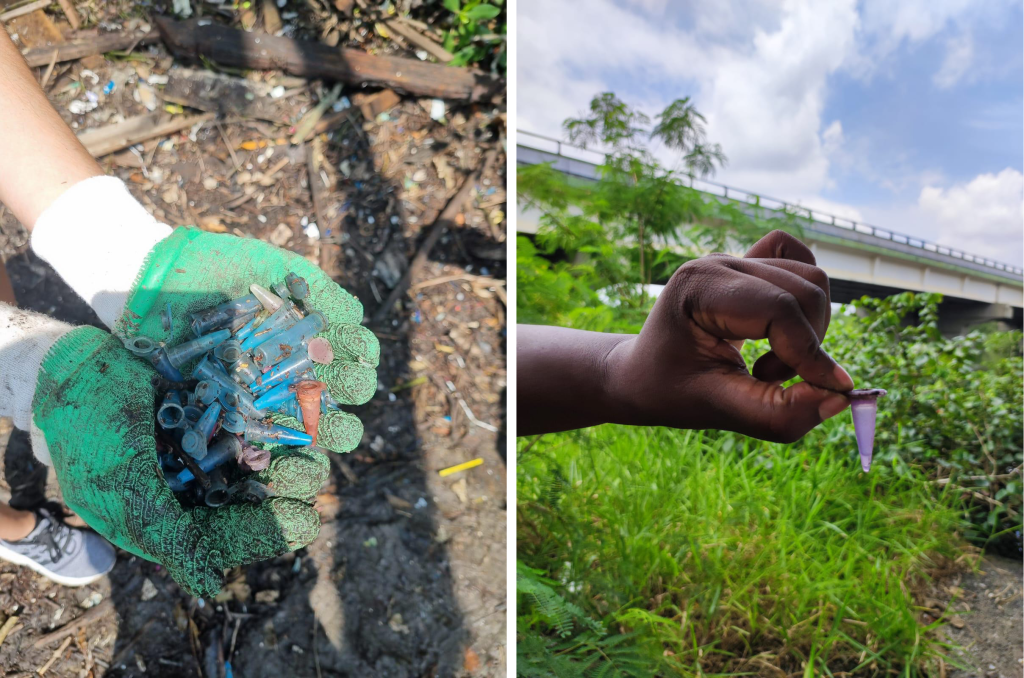
Waste, too good a word: In the mangroves of Cubatão, and the Baixada Santista more broadly, waste becomes a force with ecological consequences far beyond the casual meaning of the term. Beyond toxic substances such as heavy metals and human faecalis, common household items like plastic bags, tires, or even lost surfboards are not merely an aesthetic disturbance. These materials weave themselves into the crab–mud–root conglomerate of mangrove soils, and in doing so threaten local biogeochemical cycles. Over time, they are crushed into ever smaller fragments, microplastics and nanoplastics, entering metabolic and nutritional pathways, circulating through the bodies of fish, crabs, birds, and quite inevitably, humans.
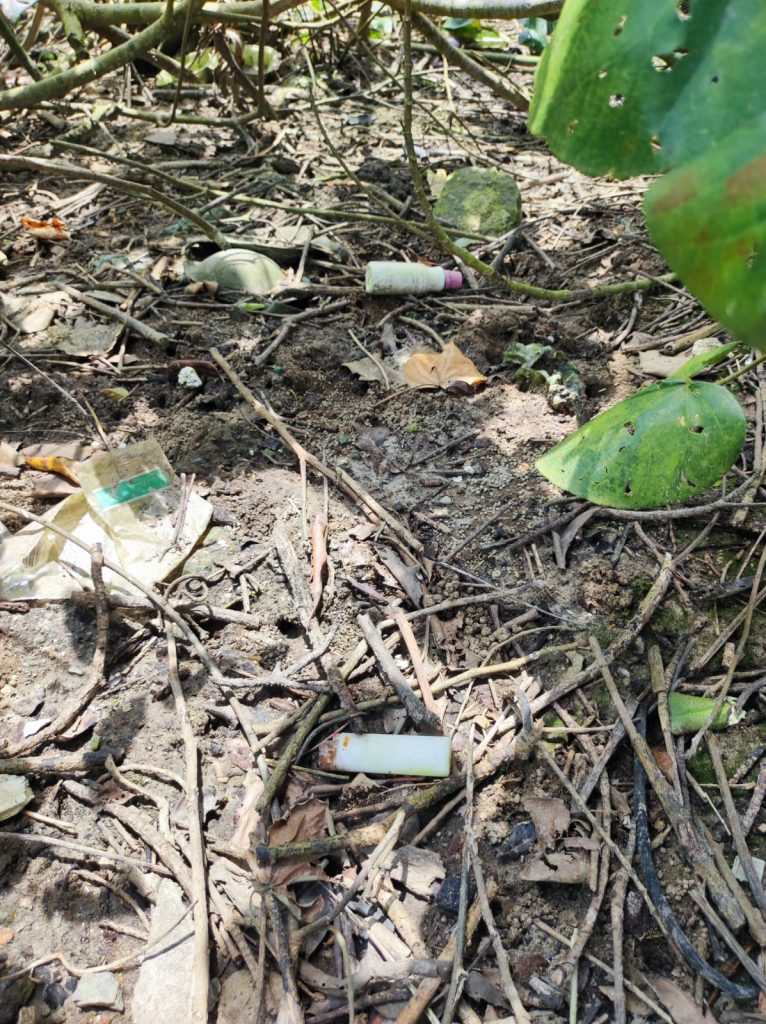
The ”Bolsão 8” riparian community, in Jardim Nova República (JNR), was founded as a neighborhood of Cubatão in 1986 to substitute the then heavily intoxicated Vila Parisi. Built initially for 982 families on artificial landfills at the margins of a mangrove forest, it is emblematic of the broader urbanization pattern of the Baixada Santista, a pattern that historically disregarded the vulnerabilities of mangrove ecologies to anthropogenic pressures such as pollution and deforestation. Here, waste is not an external intrusion but a material symptom of historical trajectories and structural decisions towards unequal and marginalizing urbanization patterns.
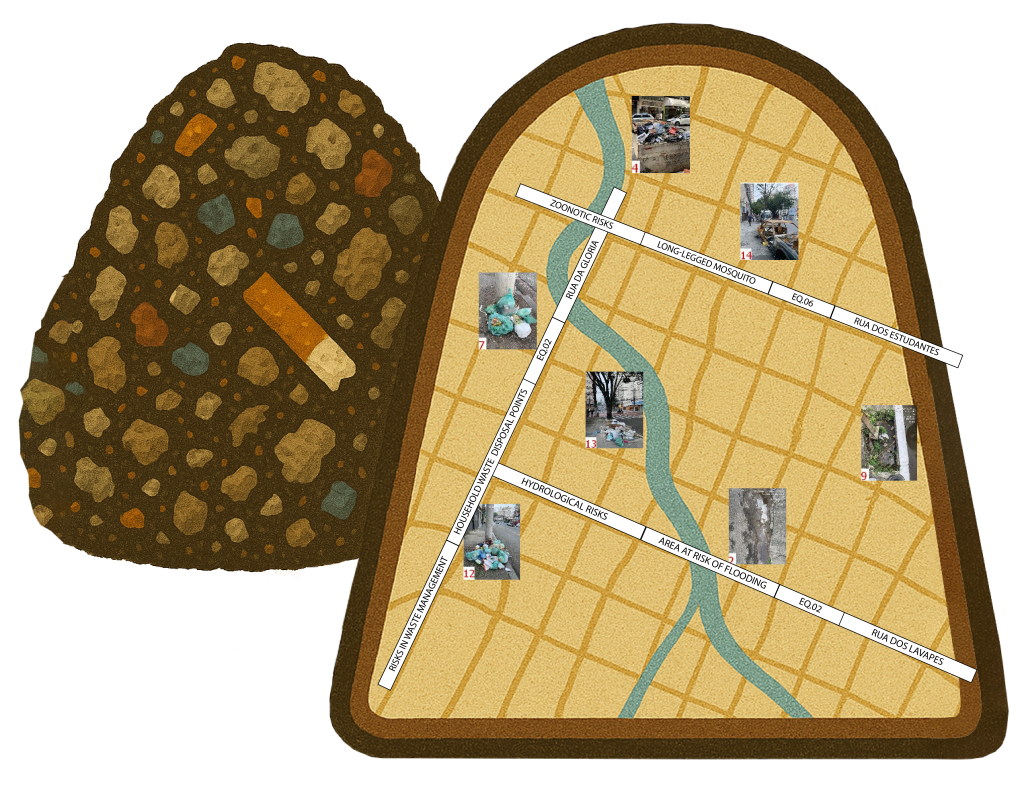
Waste, too bad a word: Yet waste can also obscure the value embedded in materials and in the practices and people involved in their circulation. To call something “waste” often means to dismiss the possibilities it holds within reproductive recycling chains, and to stigmatize both the places where it accumulates and those who work with it. In Brazilian Portuguese, the term ponto viciado refers to an informal, self-reinforcing dumping site: a spot where a small pile of discarded material begins to attract more refuse, as if others are drawn to “feed” it. We have played with this image through a collective mapping of vicious points in the Baixada do Glicério, in central São Paulo, where residents live amid persistent urban inequalities and where waste-collecting services play vital roles in generating urban collectivity. The “addictive praliné” on the left presents a collage of photographies of pontos viciados alongside official mappings of health risks in the neighborhood streets. For some residents, collecting recyclable materials is not only a means of generating income but also a way of reading, navigating, and responding to the city’s infrastructural and economic conditions.
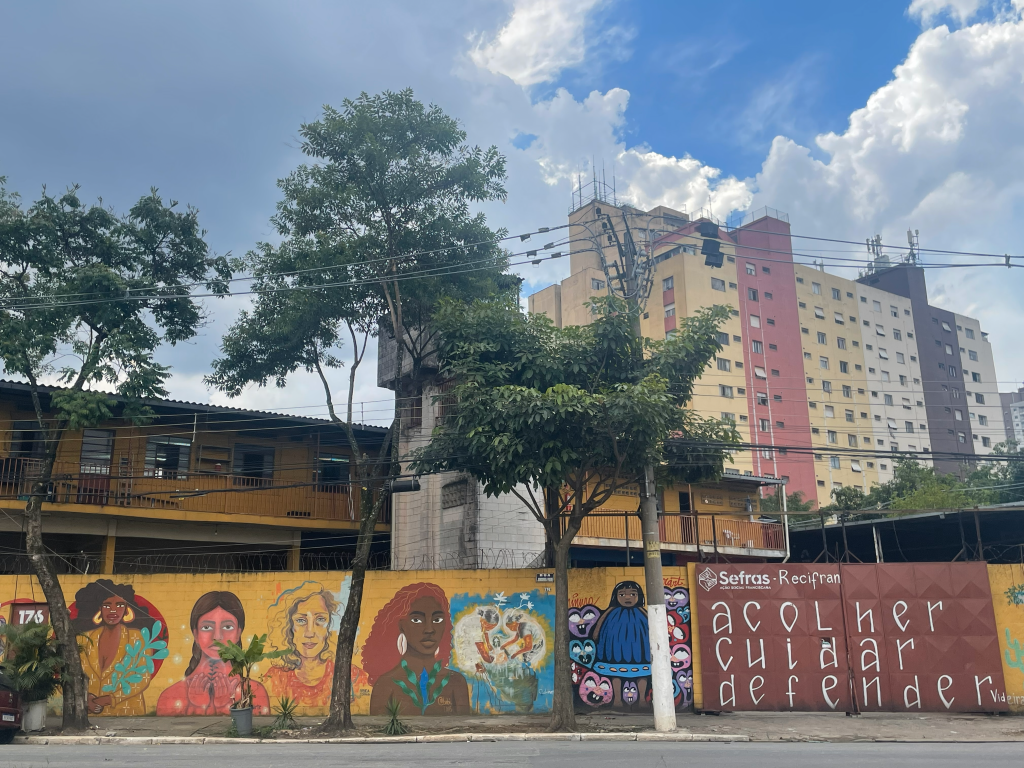
RECIFRAN, the recycling and social-inclusion project run by the Franciscan Solidarity Service (SEFRAS), demonstrates this clearly. It aims to reintegrate people in situations of vulnerability into the labor market through recycling work while offering socio-educational workshops. More than a technical solution, it is a project of care as collecting/coleta becomes a practice that helps recognizing the value of informal labor and residual, discarded materials alike.
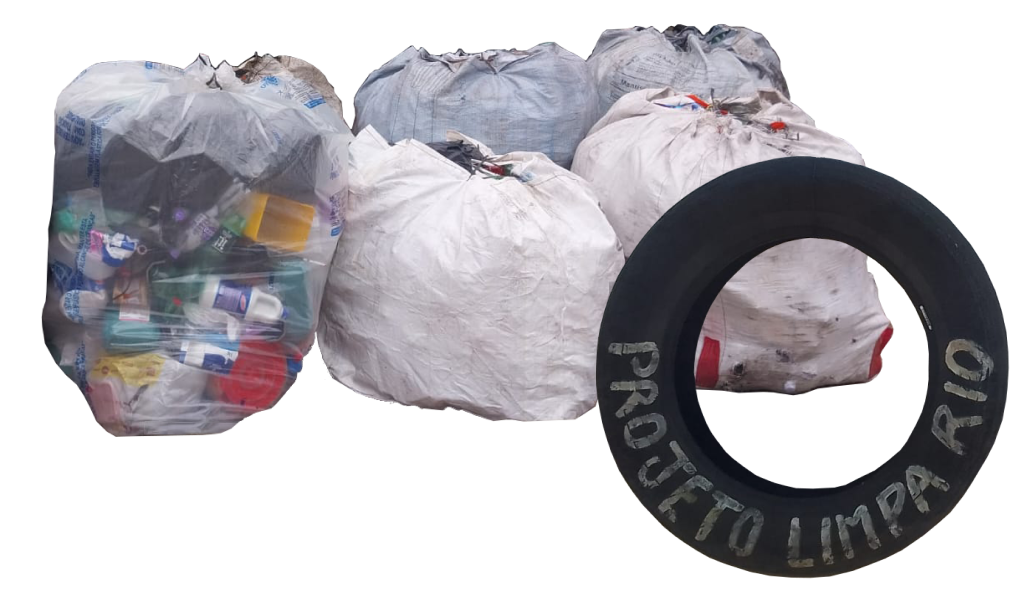
Waste emerges as always more and less than the word implies: harmful and valuable, pollutant and resource, stigma and possibility. Collection, in turn, becomes an empowering practice that repositions vivid materials and people within broader circuits of value. And across the distinct landscapes of Cubatão and Glicério, waste reveals interconnected trajectories that bind ecological processes to social worlds, and discarded objects to the agency of those who work with them.